Uses and Applications for High-Aluminate Cement
High-Aluminate or Calcium-Aluminate Cement (CAC) is used across a wide range of industries and applications where high temperatures, chemical exposure, rapid strength development or demanding operating conditions are required. These include:
- Steel and metallurgical plants
- Ferrochrome and ferroalloy smelters
- Cement and lime production
- Foundries and metal casting operations
- Advanced ceramics manufacturers
- Petrochemical and chemical plants
- Power generation facilities
- Specialised construction contractors
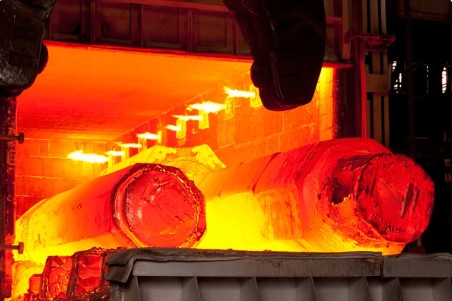
High Temperature Applications
Used in environments exposed to extreme heat and thermal stress, typical applications include:
- Furnace and smelter refractory linings
- Rotary kilns and cement kilns
- Waste incineration plants
- Petrochemical processing equipment
- Power generation facilities
Benefits of high-aluminate cement in extreme heat condition include:
- Excellent thermal stability
- Suitability for refractory castables and linings
- Durability in aggressive industrial environments
- Long service life under extreme temperatures
Metallurgical & Foundry Operations
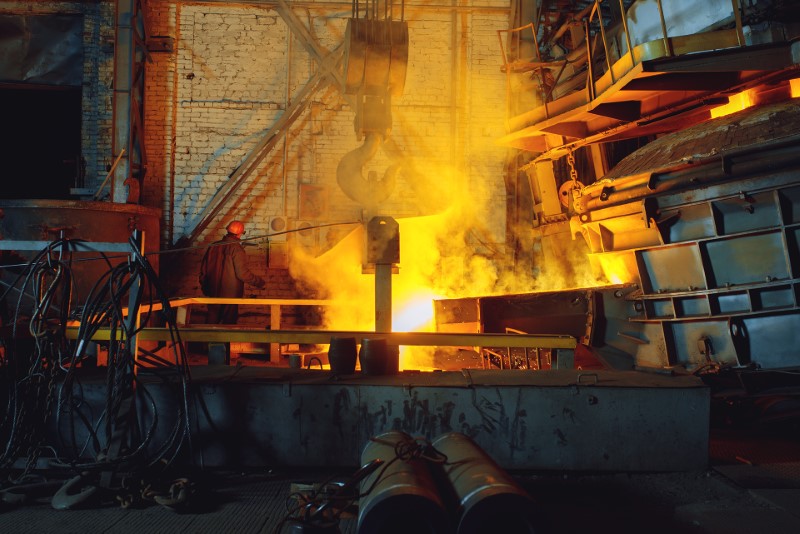
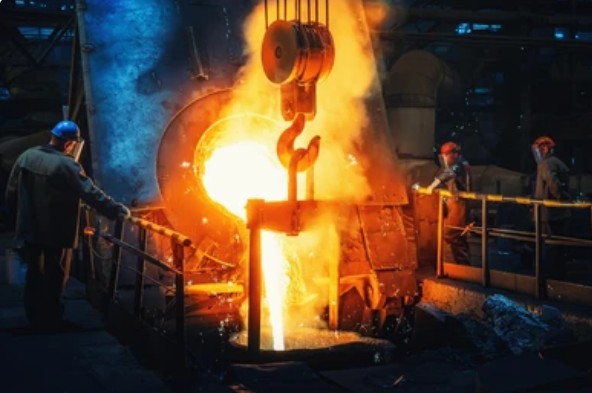
Widely used in metal production and casting industries, typical applications include:
- Steel plant furnaces
- Ferrochrome and ferroalloy smelters
- Foundries and metal casting operations
- Ladle linings and refractory castables
Benefits of high-aluminate cement for these industries include:
- High temperature resistance
- Excellent abrasion resistance
- Strong bonding in refractory castables
- Performs reliably in high-wear environments
Chemical & Corrosion-Resistant Construction
Used where conventional cement would deteriorate under chemical attack, typical applications include:
- Acid-resistant concrete structures
- Chemical processing plants
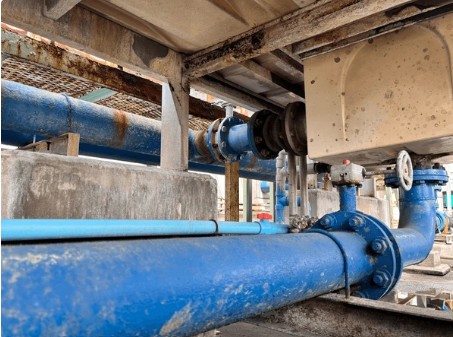
- Industrial drainage systems
- Food and processing plant floors
- Suitable for industrial floors and containment areas
- Used in facilities such as abattoirs & food processing plants
Benefits of high-aluminate cement in these instances include:
- High resistance to acids and chemicals
- Excellent durability in corrosive environments
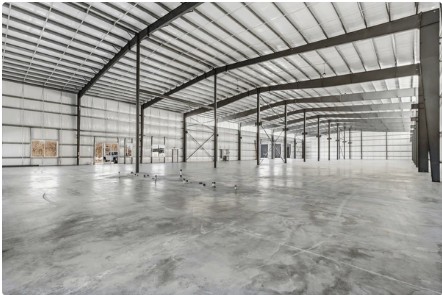
Industrial Flooring
Used under across a range of conditions for a variety of processing industries including:
- Food processing plants
- Sugar cane mills
- Abattoirs
- Breweries
- Chemical plants
- Industrial workshops
Benefits of high-aluminate cement for these industries include:
- Acid resistance
- Rapid hardening
- High durability
- Easy cleaning and hygiene compliance
Rapid-Hardening Construction Applications
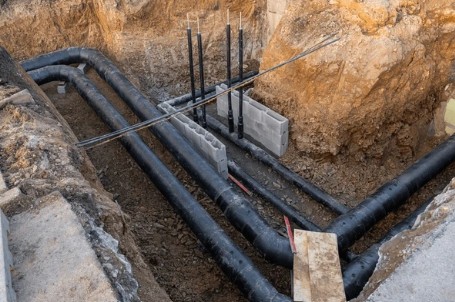
Highly effective where quick strength gain is required, particularly in applications such as:
- Rapid-set repair work
- Industrial flooring
- Infrastructure maintenance
- Cold-weather construction
Benefits of high-aluminate cement in these instances include:
- Rapid strength development
- Reduced downtime for repairs
- Early load-bearing capability
- Suitable for demanding construction environments
Advanced Ceramics & Specialised Manufacturing
Used as a binder in high-performance ceramic and industrial materials, such as:
- Advanced ceramics manufacturing
- Refractory precast shapes
- High-performance industrial components
Benefits of high-aluminate cement in these instances include:
- Strong bonding properties
- Consistent performance in specialised manufacturing
- High durability and stability
Refractory Materials & Precast Products
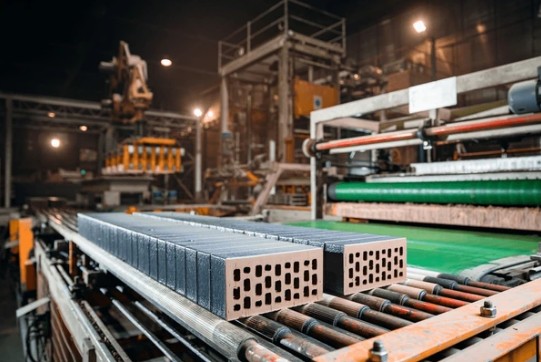
High-aluminate cement is commonly used as a binder in refractory materials with typical application including:
- Refractory castables
- Precast refractory shapes
- High-temperature linings
- Kiln and furnace maintenance materials
Benefits of high-aluminate cement in these instances include:
- Strong refractory bonding
- High mechanical strength
- Excellent thermal shock resistance
- Reliable performance in high-temperature systems